
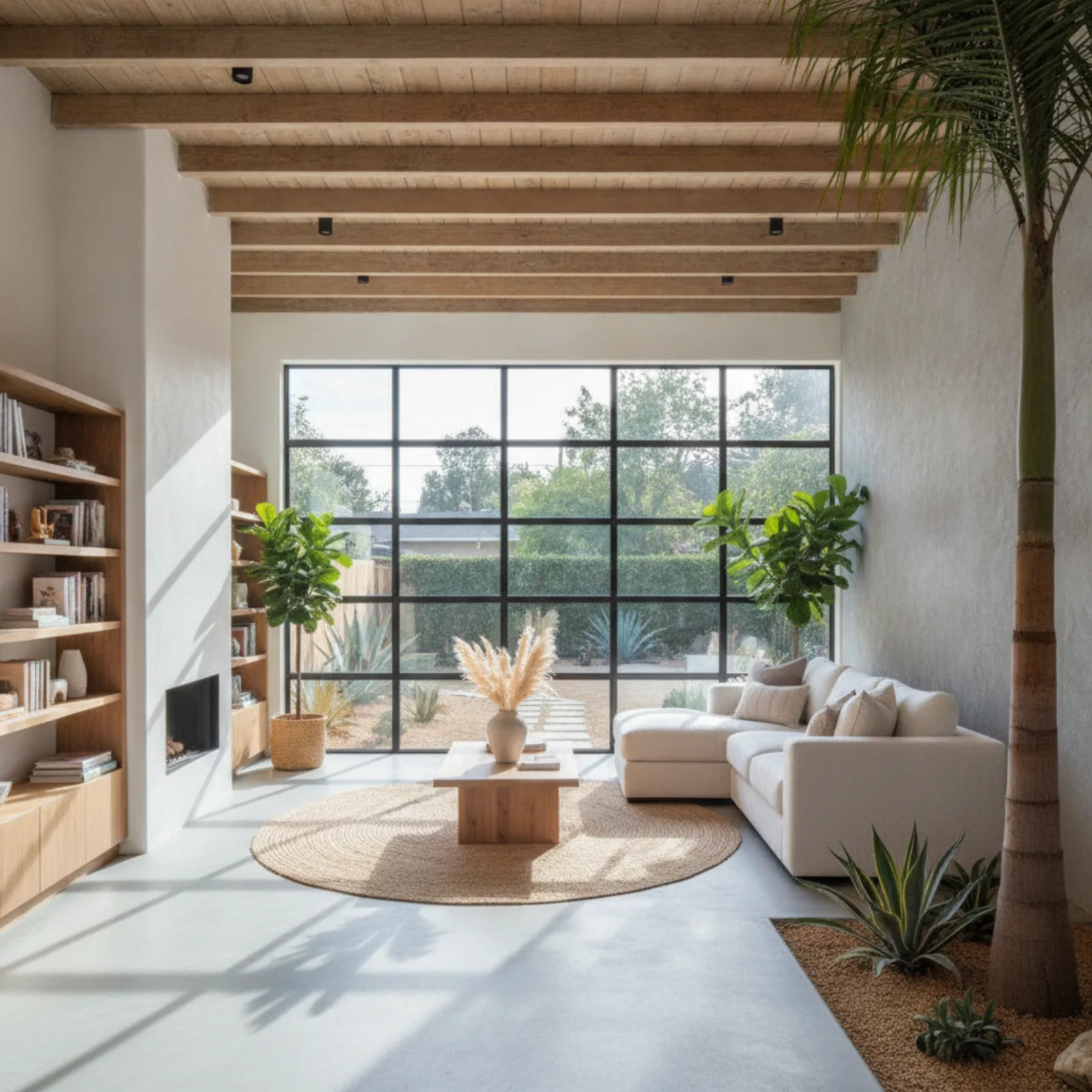
If you have an attached or detached garage sitting half-empty, you may already own the bones of a fully permitted rental unit or in-law suite. A garage conversion ADU takes an existing structure and turns it into legal living space, often at a fraction of what a new build would cost. It is one of the most practical paths to adding income or housing a family member right on your property.
Here is what you need to know before deciding whether a garage conversion is right for your lot.
What Is a Garage Conversion ADU?
A garage conversion ADU is exactly what it sounds like: you take an existing attached or detached garage and convert it into a fully permitted accessory dwelling unit. That means insulation, drywall, a proper bathroom, a kitchen or kitchenette, heating and cooling, and all the electrical and plumbing that goes with it.
California law, including Senate Bill 9 and related ADU reform bills, makes this path particularly accessible. The state does not allow cities to impose certain size or setback requirements that would otherwise block a conversion, which is a real advantage on smaller San Diego lots.
“The garage was just collecting boxes. Now my mom has her own space, and we all have more privacy.”, A common story we hear from San Diego families every month.
Why Garage Conversions Are the Most Affordable ADU Path
When you build a new detached ADU from the ground up, you pay for a foundation, exterior framing, roofing, exterior finishes, and often a longer permit timeline. A garage conversion skips most of that. The structure is already standing. The roof is there. The foundation is poured.
What you are really paying for is the interior build-out: insulation, drywall, flooring, windows, doors, a kitchen, a bathroom, and mechanical systems. On average, San Diego homeowners spend between $80,000 and $150,000 on a garage conversion ADU, depending on the size of the space and the level of finish. Larger garages with more complex plumbing runs push toward the higher end.
Compare that to $180,000 to $300,000 or more for a new detached ADU on the same property, and the math is clear. If your garage is structurally sound and in a reasonable location on the lot, conversion is almost always the more affordable option.
Parking and Setback Rules for Garage Conversions
This is where homeowners often get confused. California law does limit what local jurisdictions can require, but there are still rules worth understanding.
Parking replacement. If your garage is currently counted as required parking for the main house, converting it could eliminate those spaces. California law generally waives parking replacement requirements when the property is within half a mile of a transit stop or in certain other circumstances. In practice, most urban and suburban San Diego properties qualify, but this is something to verify during the permitting process.
Setbacks. For garage conversions, California limits setback requirements. Existing structures can typically be converted without having to meet the same front, side, or rear setback rules that would apply to new construction. This is one reason conversions are so appealing on tight lots.
Height and size limits. Converted garages keep their existing footprint. You cannot generally add square footage to the structure without triggering new construction rules. If your garage is 400 square feet, your ADU will be roughly 400 square feet.
California law limits what cities can require for garage conversions. You generally do not need to replace lost parking, and existing setbacks are grandfathered. This makes conversions feasible on lots where a new ADU might not fit.
When a Garage Conversion Makes Sense
A garage conversion is a strong option when:
- You have an attached or detached garage in good structural condition
- Your lot is too small or too constrained for new construction
- Budget is the primary concern and you want maximum value per dollar
- You want to keep costs down while still producing a rentable unit or private space for family
- You live near transit or in a denser part of San Diego County where parking replacement is waived
When a Detached ADU Might Be the Better Call
A garage conversion is not always the right answer. Here are situations where building new makes more sense:
- You actually use your garage and cannot function without it
- The existing structure has foundation issues, termite damage, or code violations that would cost nearly as much to fix as building new
- You want a larger unit (800+ square feet) and your garage footprint is too small
- Privacy is a priority, and a detached structure on a different part of the lot would serve the layout better
- You want more design flexibility, including ceiling height, layout, and exterior finish
A good designer will walk you through both scenarios with real numbers so you can decide with clear eyes.
The Permitting Process
Garage conversion ADUs in San Diego County still require full building permits. That includes architectural drawings, structural review (if walls are being modified), electrical, plumbing, and mechanical permits. The timeline varies by jurisdiction. Some cities have streamlined ADU permitting, others are still catching up.
Working with a team that knows local requirements saves you real time here. ADUz handles design and permitting, so you are not navigating the process alone.
Getting Started with ADUz
ADUz is a family-owned ADU design and permitting company based in San Diego County. We work bilingually and have guided families all across the region through garage conversions, new builds, and everything in between. Once your plans are permitted, our licensed build partner The Rock Remodel (CA 1042918) handles construction.
If you are wondering whether your garage qualifies, the best first step is a conversation. Call us at (760) 524-1754 for a free ADU consultation. We will look at your property, talk through your goals, and give you an honest picture of what a garage conversion would cost and look like for your specific situation. No pressure, just answers.
ADUz: designed for the way your family grows.